Unveiling the natural wonders of placenta encapsulation
Posted on: April 30th 2024 • Posted in: General News
In the world of postpartum care, there’s a growing trend that involves a unique and intriguing concept: placenta encapsulation. This practice has gained popularity for its purported benefits, aligning with the broader movement towards natural and holistic approaches to childbirth and postpartum recovery. In this blog post, we will explore the world of placenta encapsulation, discussing its origins, potential advantages, and whether it’s a suitable option for you.
The Ancient Roots of Placenta Encapsulation
Placenta encapsulation might seem like a novel idea, but it has ancient roots in various cultures around the world. Traditional postpartum practices in many societies have recognized the placenta’s potential healing properties for centuries. In Chinese medicine, for instance, the placenta is believed to have “qi” or life energy, which can be consumed to help replenish the new mother’s vitality. Similarly, in some African cultures, the placenta is considered a sacred and powerful organ, often buried with rituals that honor its significance.
The Modern Resurgence
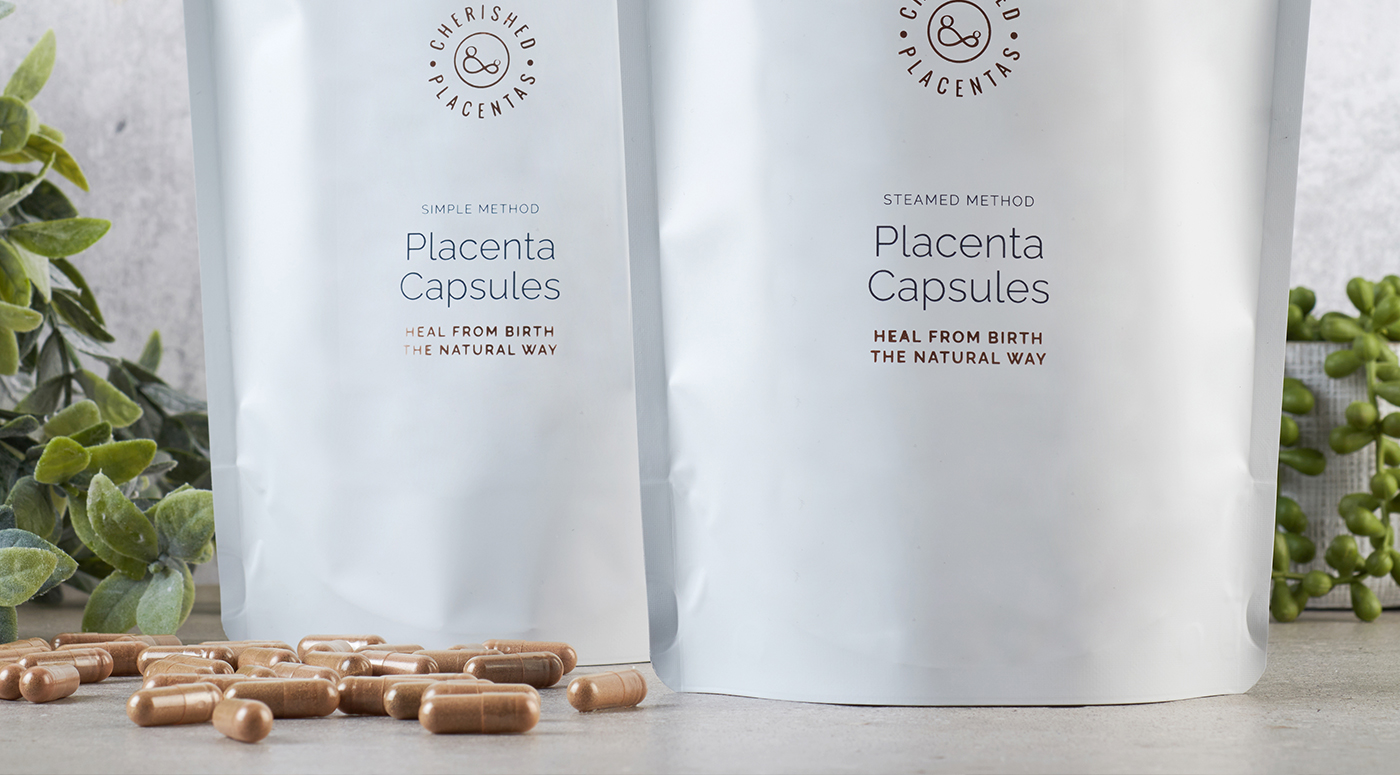
Placenta encapsulation in modern Western societies has made a resurgence in recent years. It involves the process of cleaning, dehydrating, and encapsulating the placenta into pills, which the new mother can consume. While this practice may raise eyebrows for some, proponents argue that it offers a range of potential benefits for postpartum recovery.
Benefits of Placenta Encapsulation
- Hormone Regulation: One of the primary reasons some women choose placenta encapsulation is for hormone regulation. The placenta contains a variety of hormones, including oxytocin and progesterone, which can help stabilize mood and reduce the risk of postpartum depression.
- Increased Energy: The placenta is rich in iron and other essential nutrients. Consuming placenta pills may help new mothers combat fatigue and increase their energy levels during the challenging postpartum period.
- Faster Healing: Proponents of placenta encapsulation claim that it can expedite the healing process after childbirth, including the repair of the uterus and other tissues.
- Enhanced Lactation: Some women report an increase in milk production when they incorporate placenta pills into their postpartum routine. This can be particularly valuable for those who intend to breastfeed.
- Emotional Balance: With the rollercoaster of emotions that often accompanies new motherhood, placenta encapsulation is said to contribute to emotional balance and reduced mood swings.
Is Placenta Encapsulation Right for You?
While placenta encapsulation may offer potential benefits, it’s not without controversy. Critics argue that there is limited scientific evidence to support these claims, and that more research is needed to verify the advantages. Furthermore, the safety of the process depends on proper handling and hygiene, as any mishandling could pose health risks.
If you’re considering placenta encapsulation, it’s crucial to consult with a healthcare professional or doula who is experienced in the practice. They can provide guidance on whether it’s a safe and suitable option for you.
In Conclusion
Placenta encapsulation is a unique and unconventional practice that has gained popularity among some new mothers seeking a more natural postpartum recovery. While its benefits are widely debated, it’s important for women considering this option to do thorough research and seek guidance from experienced professionals. In the end, the choice to encapsulate the placenta is a personal one, and it’s essential to prioritise your health and well-being during the postpartum period.